
Before Your Scan or Blood Test: 10 Things to Know Before Visiting a Diagnostic Centre
Ten practical things worth knowing before a scan or blood test, from preparation and identification to how results reach you.

Ten practical things worth knowing before a scan or blood test, from preparation and identification to how results reach you.
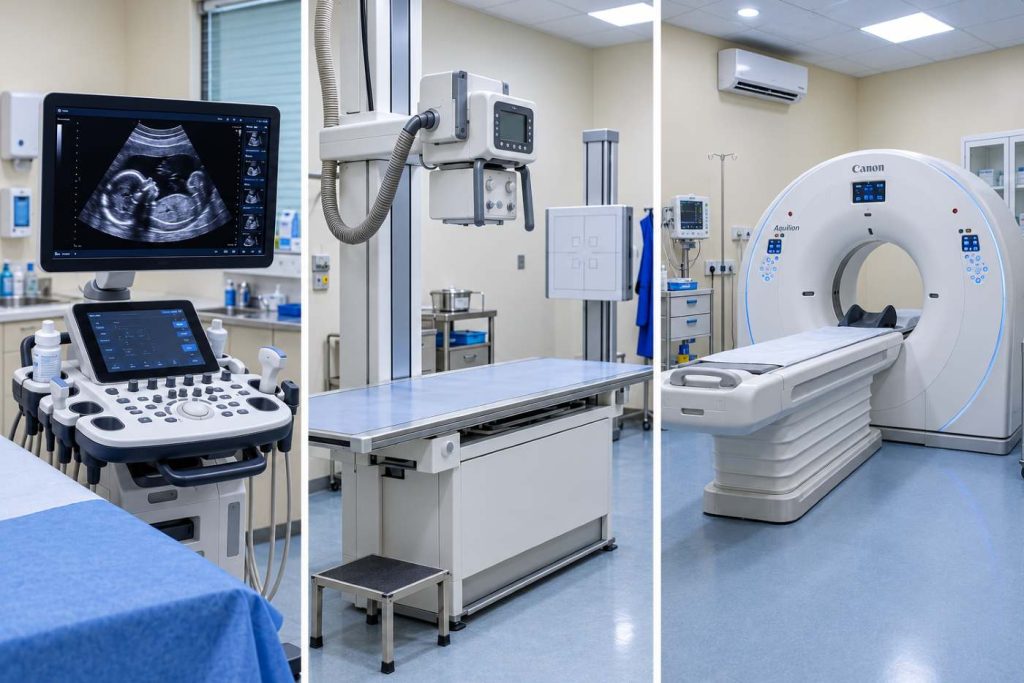
Different imaging methods answer different questions. Here is what CT, ultrasound, X-ray, MRI, fluoroscopy and mammography each contribute.
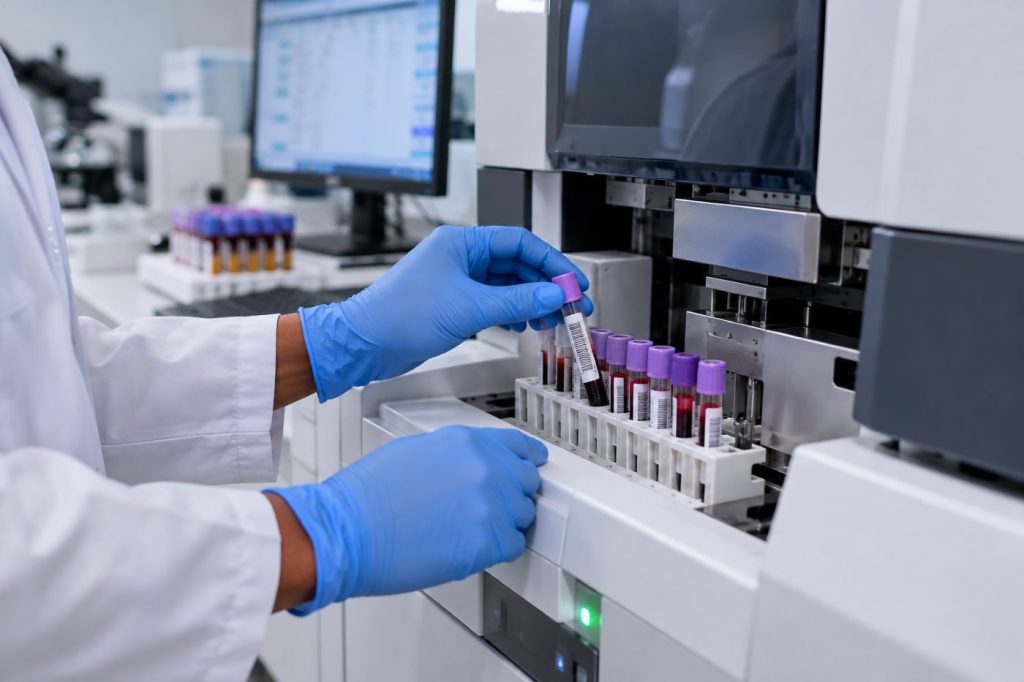
A blood sample passes through a controlled sequence before it becomes a report. Automation reduces variation, and quality control is what makes the number dependable.
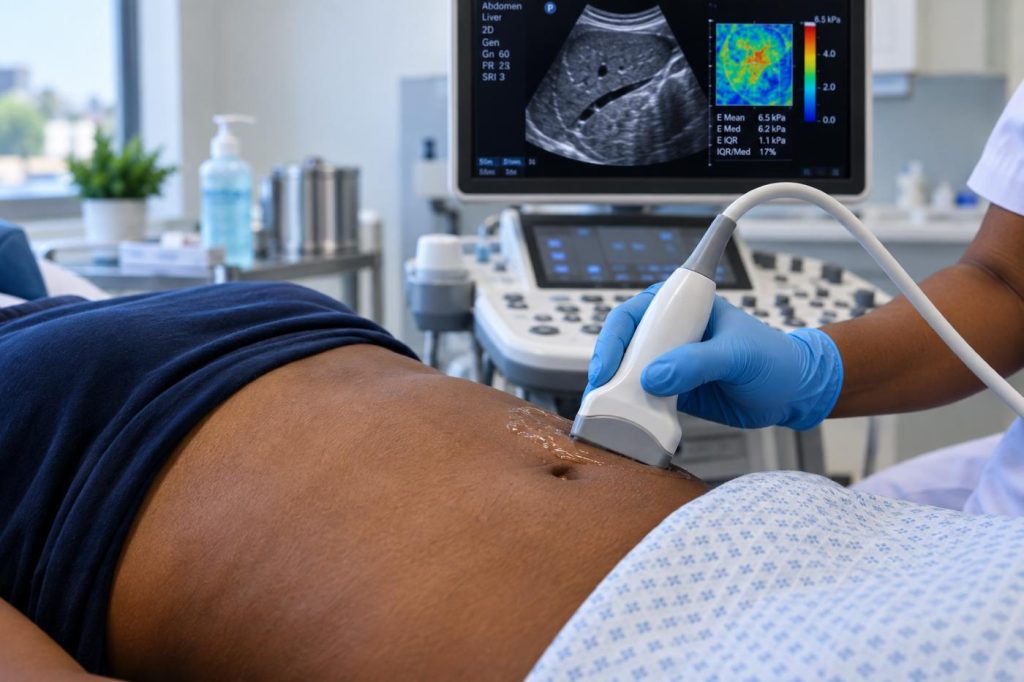
Liver disease can develop without obvious symptoms. Elastography assesses the stiffness of liver tissue without surgery, adding information a conventional ultrasound cannot.
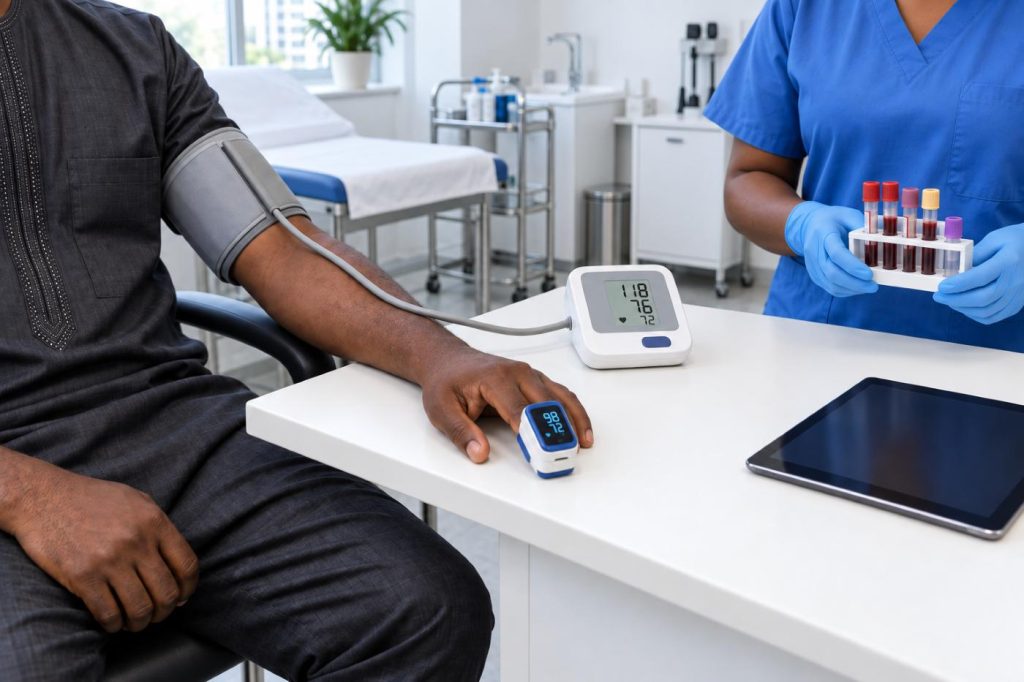
A health check is not a fixed list of tests. What is appropriate depends on your age, history and risk factors. Here is what to discuss with your doctor.
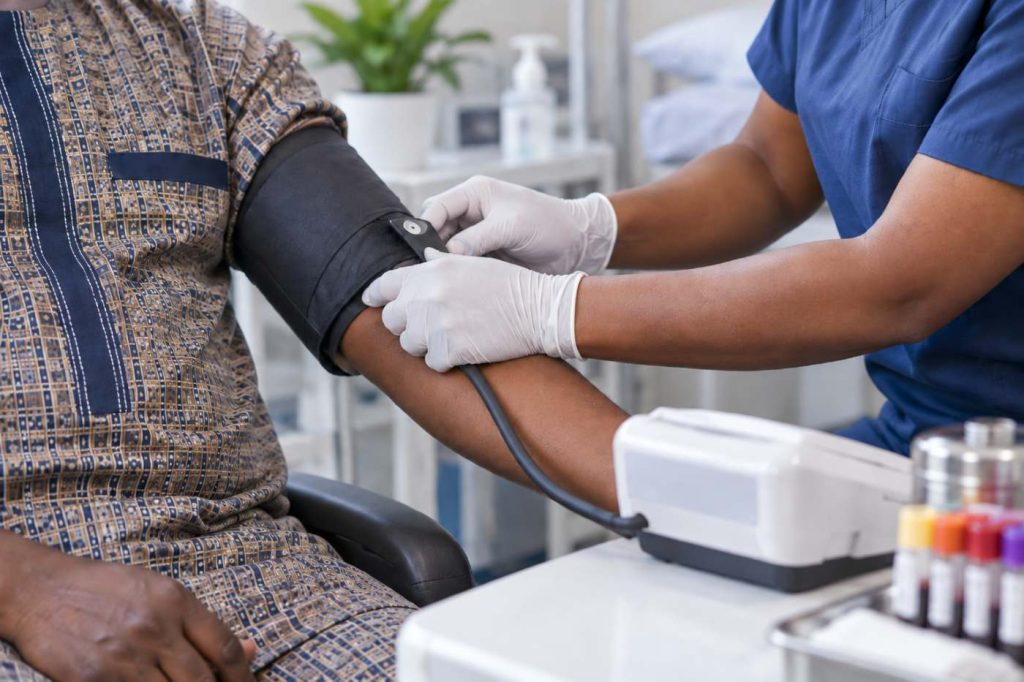
You can have high blood pressure and still feel completely normal. Knowing your numbers should be part of ordinary preventive healthcare, not something reserved for when you feel unwell.

Fertility involves both partners. Investigations usually begin with straightforward laboratory testing and imaging for both, rather than assuming where the difficulty lies.

Severe side or back pain and blood in the urine can have overlapping causes. CT urography provides detailed images of the kidneys, ureters and bladder.