
Imaging
Modern imaging across both centres.
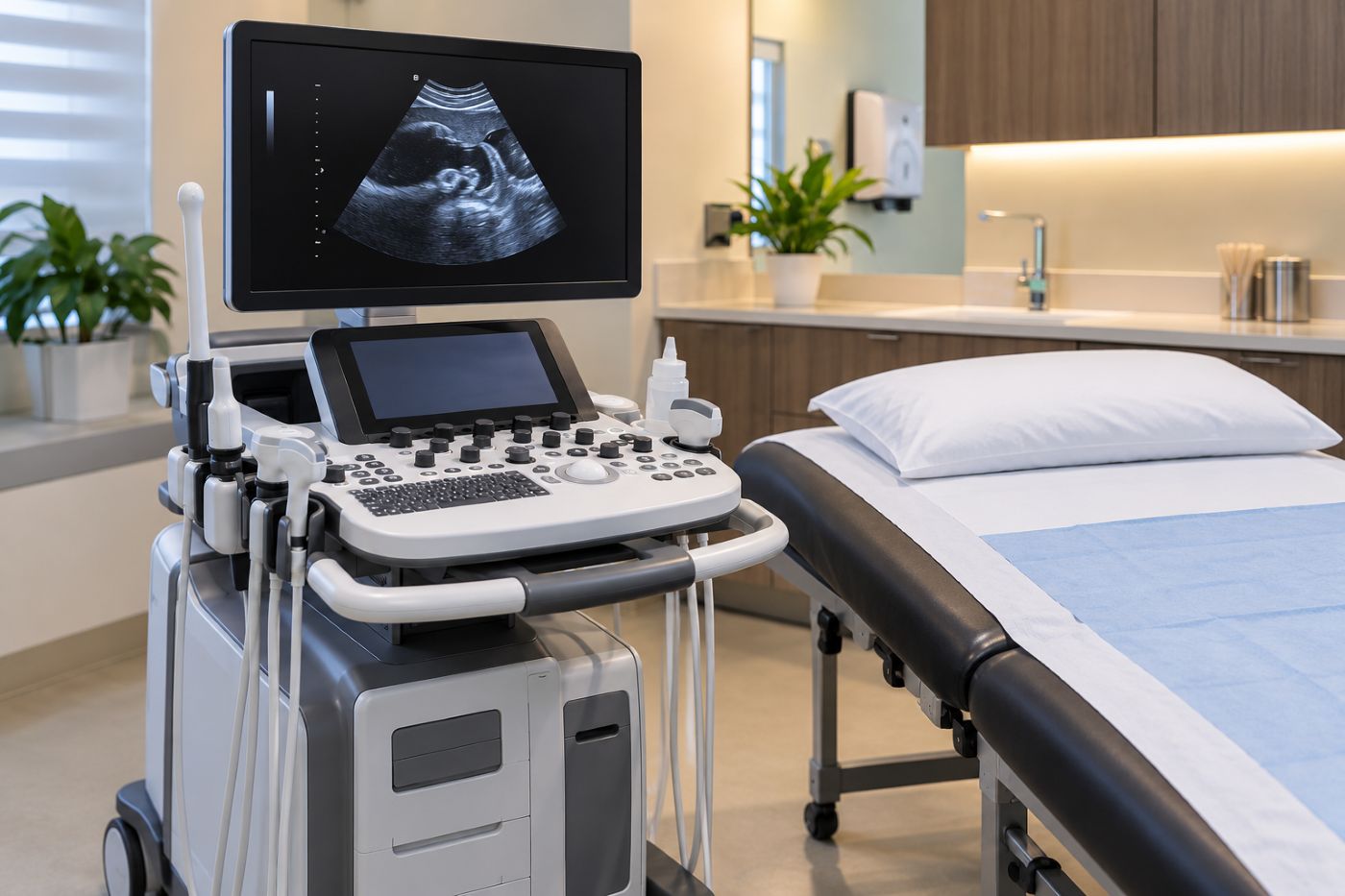
Our imaging service covers CT, MRI, advanced ultrasound and high-frequency digital X-ray, alongside fluoroscopy and mammography. The range exists so the examination can be matched to the clinical question rather than the other way round.
Digital acquisition means images reach the reporting radiologist quickly and can be shared with your referring doctor without physical film.
CT system
MRI
Advanced ultrasound systems
Digital X-ray
Laboratory automation
Automation reduces variation.
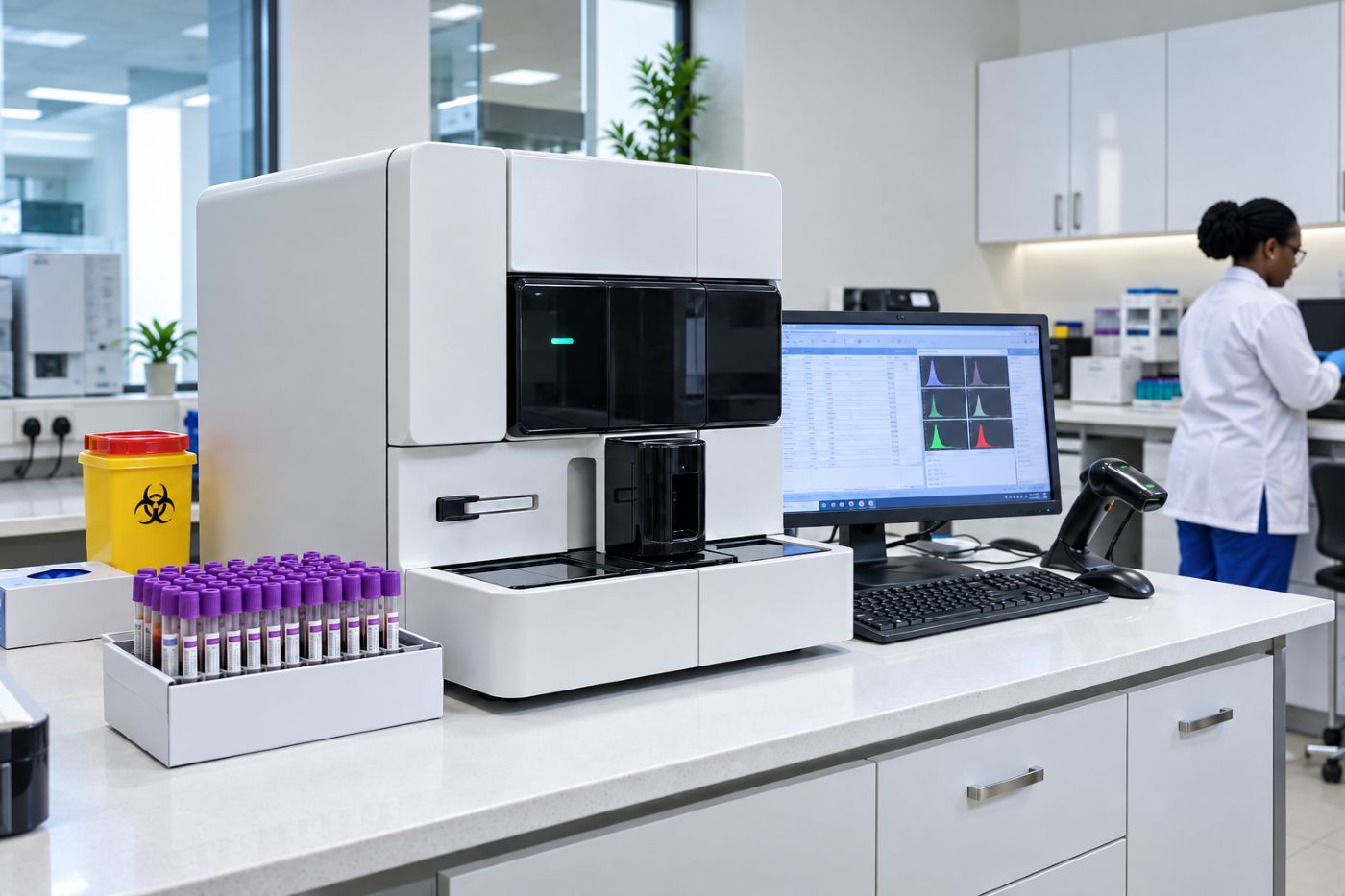
Automated haematology analysers, clinical chemistry analysers and immunoassay systems handle the bulk of our routine workload. Running samples through a consistent automated process removes much of the run-to-run variation that manual handling introduces.
Automation alone does not make a result dependable, which is why the quality-control processes below sit around it.
Automated haematology analysers
Clinical chemistry analysers
Immunoassay systems
Quality control
The checks that stand between a plausible number and a dependable one.
Sample integrity
Samples are checked on arrival against the request and assessed for suitability. A sample that is insufficient or incorrectly labelled is rejected rather than analysed.
Control runs
Control samples with known values are run alongside patient samples. Where controls fall outside acceptable limits, results from that run are held until the cause is resolved.
Review before release
Results are reviewed before a report is issued. Findings inconsistent with the clinical information supplied may prompt repeat analysis or further testing.
Patient safety
Identity is confirmed more than once before any sample is taken or scan performed. Imaging protocols are selected to answer the clinical question with appropriate radiation dose.
Specialist reporting
Imaging is reported by consultant specialists, and tissue diagnosis is undertaken within our histology and cytology service.
Continuous improvement
Turnaround, sample rejection and repeat rates are the measures that show whether the process is working, and are reviewed so problems are corrected rather than absorbed.
Book a test
Ready when you are.
Send a request and our team will contact you to confirm your appointment, preparation and timing.